Saturday, July 4, 2026
The oppressive heat we’ve been having has gone as far as making my iPhone shut down, advising it was due to “HEAT.”
I’ve not done much productive work in the Shade Tree Garage with the heat, though thanks to my son, we repaired the two broken 8-foot LED light fixtures on the south side of my shop.
I have three strings of 4 8-foot LED light fixtures that light my shop. They run lengthwise and do a great job. However, on the south side string, the second light fixture died about a year ago. The rest of the string continued to work for several months, then the rest of the string died and remained dead.
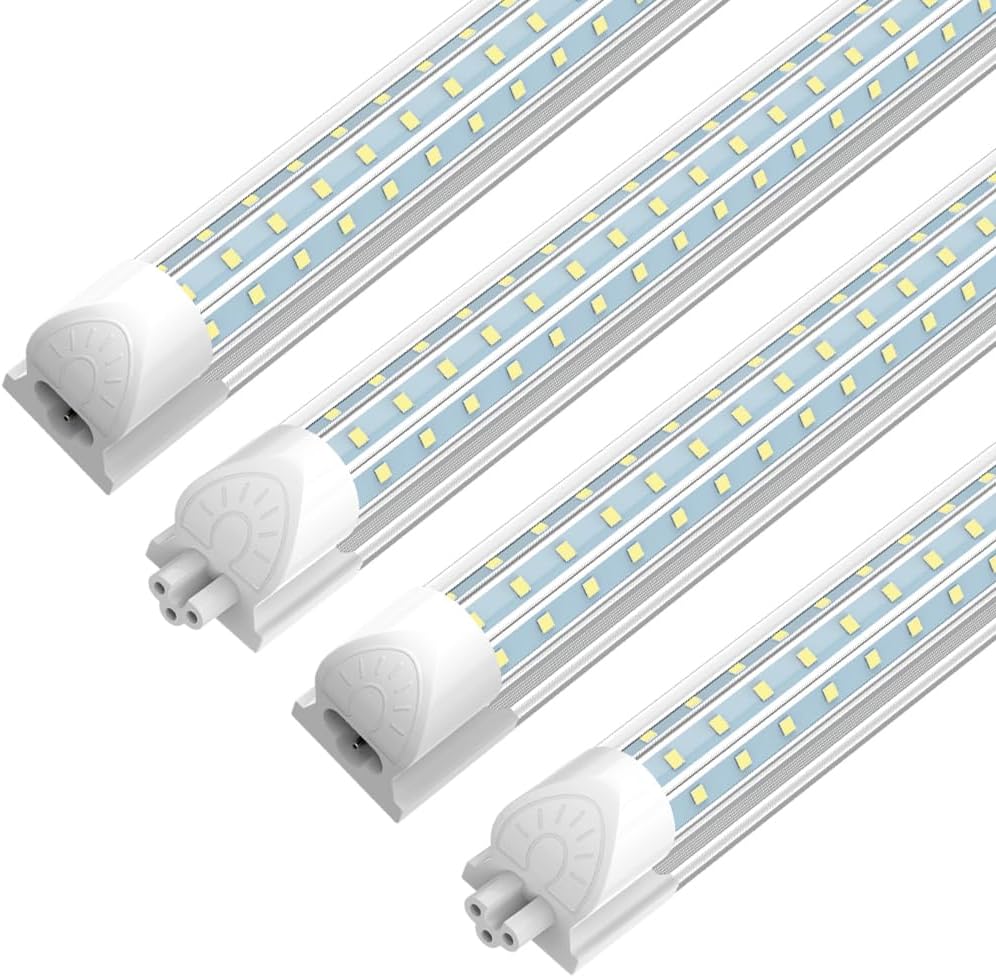
The problem turned out to be the first LED fixture in the string — the end of the string that connected to fixture no. 2 overheated, melting the connection socket that fed current to the rest of the light string.
The first fixture showed overheating damage; the second fixture showed overheating damage, and on testing, the fixture was dead using the connector on either end. Fortunately, I had three spare LED light fixtures in the corner, and needed two of them to make repairs. It was hot as hell in the shop, but thanks to my son, the entire string is functional again.
PLYMOUTH STARTS! My son and I moved my 1987 Dodge D150 to the grass on the far end of the barn, which unblocked the overhead door where the 1956 Plymouth was parked.
It took a little time to get it to start after it was flooded, but it finally started. When I took the parking brake off and shifted into reverse, the car started to back, but it felt like a brake was stuck. I pumped the brake a few times (after refilling what was a completely empty brake fluid reservoir!), and got the car rolling rearward.
The brakes were still soft, but did function.
So what’s going on with the brake fluid? And — more importantly — where the hell did the full reservoir go??
There’s no evidence of brake fluid leaking on the shop floor, so my thoughts are that there’s a leaking brake cylinder somewhere.
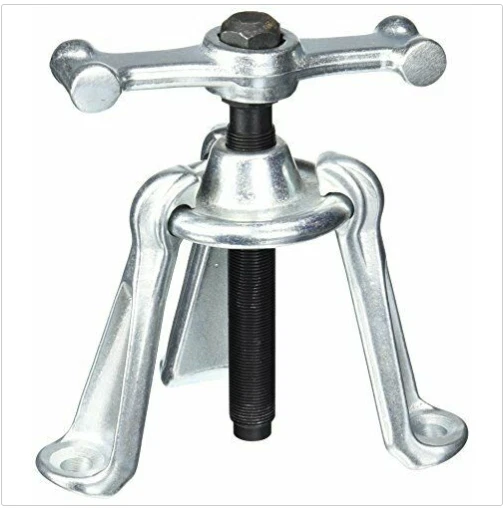
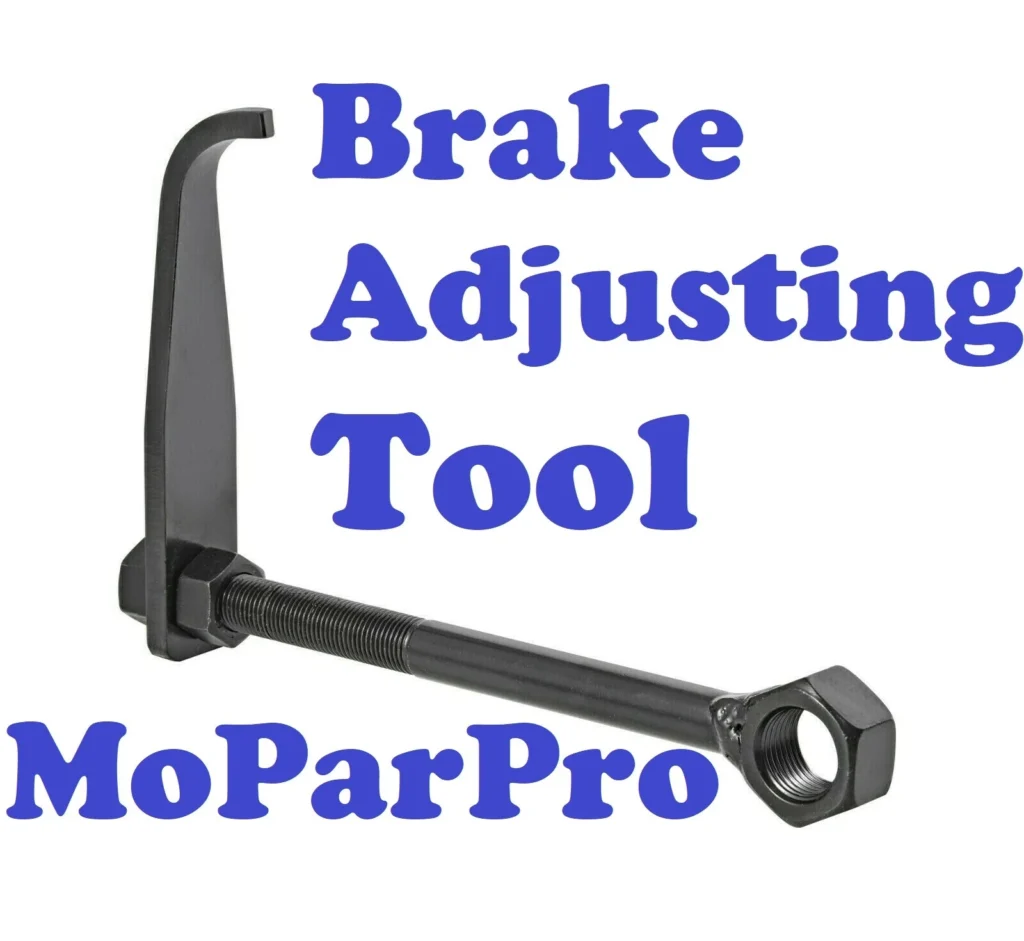
I hate the idea of having to check the Plymouth’s brakes. The 1950s Plymouth brakes are a bitch. For starters, the brake drums are a press fit — you need a heavy duty drum puller to remove them. Now you also need a special brake tool to adjust the brake shoes properly as far as gapping them prior to reinstalling the drums. You don’t want the shoes to drag but at the same time you don’t want there to be too much clearance.
Fortunately, I can get parts to service the brake cylinders, which is something I should probably do on all four brakes. But I’ve never done ANY work on the brakes, and working on them looks like a Rube Goldberg system to me. If there was a way to update (i.e.. modernize) the brakes affordably, I would have to consider it. Maybe first I need to try to work on them as-is, go thru the process of learning how they should be serviced before I try to resign their brake system to the junkyard.
PLYMOUTH RESURRECTION? I really want to get some work done on the Plymouth. The brakes, frankly, can wait. What I want to do is to get the bodywork completed and prep the car for paint. Once I have some decent paint on it, I have some choices.
CHOICE A. I can fix the brakes and enjoy the driving the Plymouth and at some point pu it up for sale.
CHOICE B. With a decent coat of paint, I can put the car up for sale without messing with the brakes, but with the understanding the buyer will need to have them serviced.
I paid $7,000 for the Plymouth in 2021. The brakes were an issue then, as I was losing brake fluid somewhere at the time, but when the reservoir had fluid, they still worked. At this point, I would take as anything over $5,000 for the car.
Why sell it?
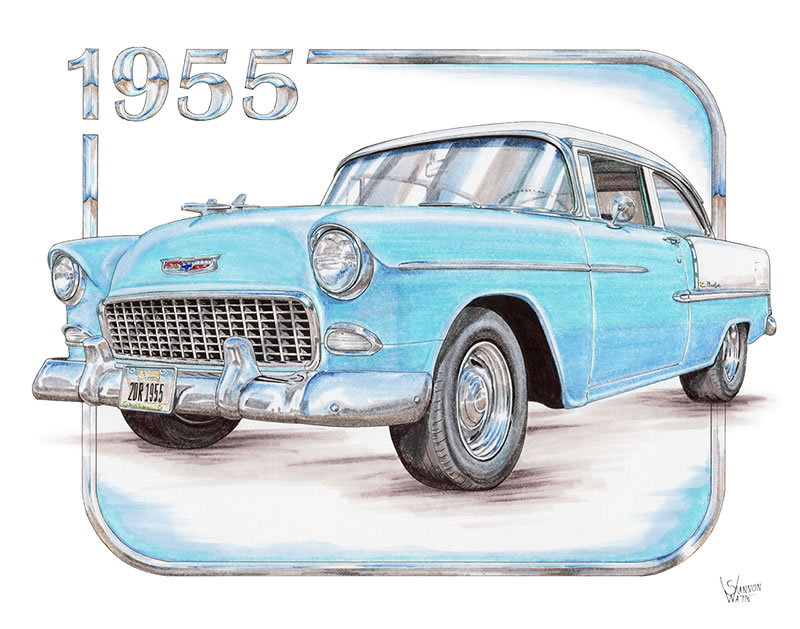
When it first appeared, I really had the desire to bring my friend Gary’s car “home” to our community. But as time passed I learned the reality of owning a 1956 Plymouth — unlike the Tri-Fives, classic Mustangs, Camaros and 1960s & 70s Mopars, there ZERO reproduction parts available. Forty-five years ago when I bought my first 55 Chevy 2 door hardtop, there were a rapidly growing number of companies that made reproduction parts. Today you can literally build a “new” 55 Chevy from scratch.
So my thoughts are to sell the Plymouth for whatever I can get for it, and invest in a different classic car. What would I want to buy?
1968 Mustang. 1974 Plymouth Duster. 1984 IROC Z-28. 1979 Trans Am. Or a variety of other cars from the past, not necessarily muscle cars. High performance cars seem to command top prices. In the past, I have owned one 1967 Mustang and two 1968s, and should never have let them go.
I don’t mind considering another truck, though an older one would be preferable. Oh well — I can dream, can’t I??
TTFN!
Related Posts
Down to just one, rusty, stubborn regulator screw …
Tuesday, March 24, 2026 I'm still working to get my…
Driver’s door rehab project nearly complete — and none too soon!
Saturday morning, April 18, 2026 2:45 a.m. I'm finally making…
Driver’s door quest: Finally got ‘er done!
Monday, April 20, 2026 Well, I'm getting closer to the…